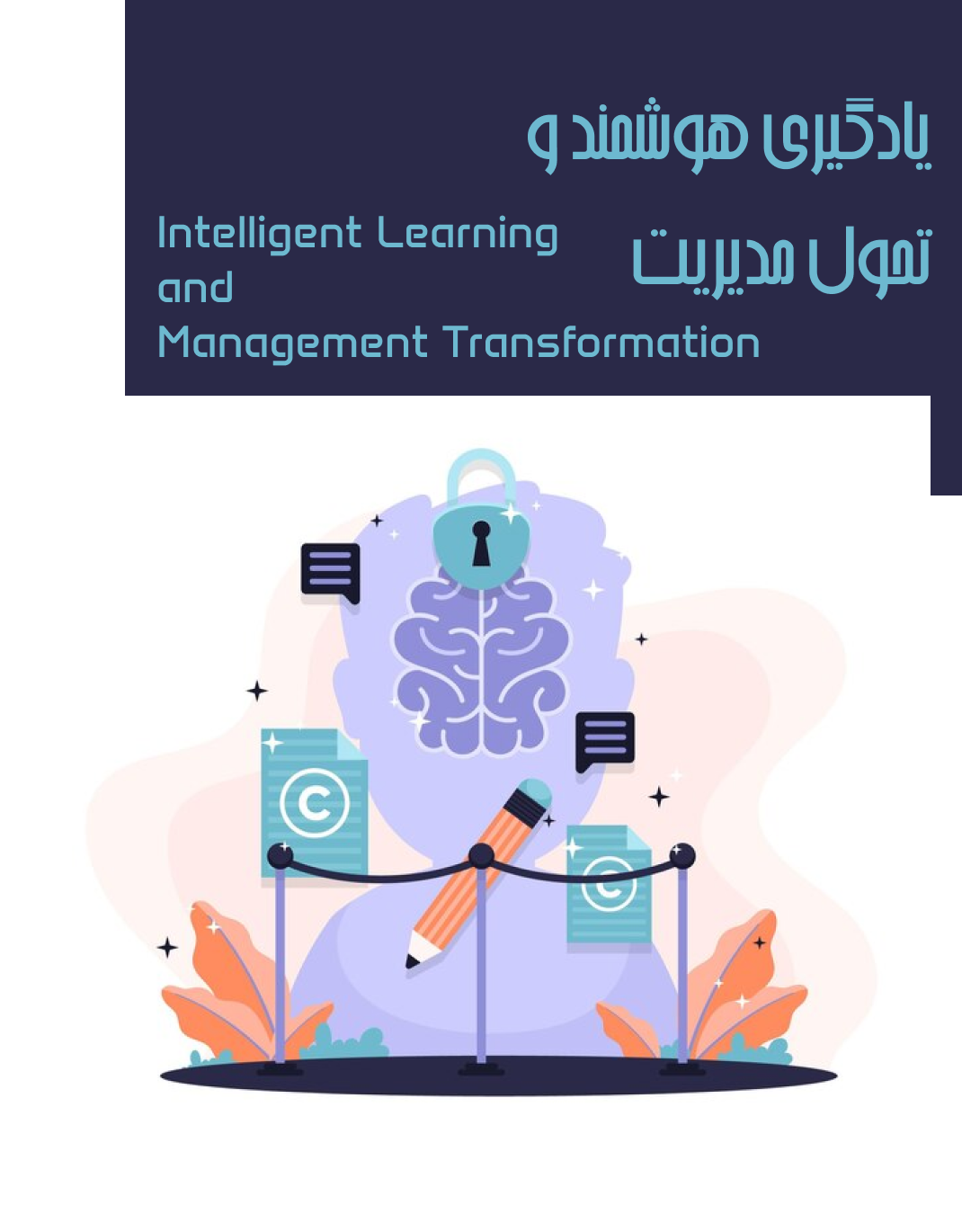
The Effect of Smart Learning on Students’ Ethical Values: A Systematic Review of Iranian Studies
Keywords:
Smart learning, ethical values, higher education, professional ethics, scientific integrity, systematic reviewAbstract
This study aimed to systematically review Iranian research on the effect of smart learning on students’ ethical values and to explain its ethical, educational, and technological implications in higher education. This study was conducted as a systematic review. The research population included all Iranian studies published in Persian or English on smart learning, smart education, e-learning, artificial intelligence in education, and students’ ethical values. The search was conducted in SID, Magiran, Civilica, Noormags, Ensani, IranDoc, Google Scholar, Scopus, Web of Science, and ScienceDirect for studies published between 2013 and 2026. In the initial search, 286 records were identified. After removing duplicates, screening titles and abstracts, reviewing full texts, and assessing methodological quality, 24 eligible studies were included in the final analysis. Data were collected using a data extraction form and a methodological quality appraisal checklist. Due to heterogeneity in research designs, instruments, smart learning components, and ethical outcomes, data were analyzed using narrative synthesis and thematic analysis. The inferential synthesis of the included studies indicated that smart learning had the strongest positive effects on academic responsibility, ethical self-regulation, commitment to learning, and educational justice. Responsibility was supported in 19 studies, self-regulation in 17 studies, educational justice in 16 studies, and academic honesty in 14 studies. Thematic analysis showed that the ethical impact of smart learning depended on instructional design quality, assessment methods, students’ digital literacy, transparency of regulations, and instructor support. The most important ethical challenges identified were data privacy, digital cheating, technological dependence, excessive monitoring, and reduced human interaction. Smart learning in Iranian higher education can contribute to strengthening students’ ethical values, but its effect is neither automatic nor unconditional. Its success depends on ethical design, transparent implementation, responsible supervision, and human-centered educational practice. Universities should develop digital ethics frameworks, train students and instructors in responsible technology use, ensure equitable access, protect student data, and preserve the formative role of instructors in smart learning environments.
Downloads
References
Boozaripour, M., Abbaszadeh, A., Shahriari, M., & Borhani, F. (2017). Ethical Values in Nurse Education Perceived by Students and Educators. Nursing Ethics, 25(2), 253-263. https://doi.org/10.1177/0969733017707009
Deep, P. D., Ghosh, N., & Natoli, A. P. (2026). Artificial Intelligence for Supporting College Students with Attention-Deficit/Hyperactivity Disorder: Cognitive, Emotional, and Ethical Perspectives. International Journal on Social and Education Sciences, 8(1), 1-17. https://doi.org/10.46328/ijonses.5915
Farajzadeh Dehkordi, H. (2019). How Personality and Gender Relate to Ethical Judgment of Accountants: Evidence based on Discipline [Research]. Iranian journal of Value & Behavioral Accounting, 4(7), 181-208. https://doi.org/10.29252/aapc.4.7.181
Galvão, A., Mendes, L., Marques, C., & Mascarenhas, C. (2019). Factors influencing students’ corporate social responsibility orientation in higher education. Journal of Cleaner Production, 215, 290-304. https://doi.org/10.1016/j.jclepro.2019.01.059
He, J., Wang, Z., & Xu, S. (2025). How Legal Motivation Buffers the Effects of Moral Disengagement on School Bullying Among Chinese College Students. Frontiers in psychology, 16. https://doi.org/10.3389/fpsyg.2025.1583706
Inanoglu, H. (2025). Moral Careers of Muslim College Students: How I Became a Better Muslim Through TikTok. Review of Religious Research, 67(3), 486-516. https://doi.org/10.1177/0034673x251348214
Kayani, S., Abid, M. H. S., & Sadiqi, M. Z. (2025). Relationship Between Moral Atmosphere of School and Moral Development of Secondary School Students. SocSciSpec, 4(1), 597-606. https://doi.org/10.71085/sss.04.01.243
Marwan, M., Hasbullah, B., Rahayu, I., Wakhudin, W., & Saputra, D. G. (2025). The role of character education in building ethics and morality among students in the digital age. International Journal of Educational Research Excellence, 4(1), 33-39.
Mohammadi, M., Youzbashi, A., & Eskandar, F. (2023). The role of teaching ethics in student intentions and brand value. Quarterly Journal of Research and Planning in Higher Education, 27(2), 199-227. https://journal.irphe.ac.ir/article_703031.html?lang=en
Nourmohammadi, M., & Ja'fari, R. (2024). The Impact of Experience-Based Education on the Formation of Students' Ethical Values. Quarterly Journal of Islamic Education and Training, 29(1), 31-49.
Peralta, C. E. G., Morales, N. J. G., Neri, E. A., & Baluyos, G. R. (2025). Socio-Economic, Academic, and Support Factors in Relation to the Academic Performance of on-Probation Students. International Journal of Research in Social Science and Humanities (IJRSS), 6(1), 79-95. https://doi.org/10.47505/IJRSS.2025.1.6
Pohling, R., Bzdok, D., Eigenstetter, M., Stumpf, S., & Strobel, A. (2016). What is Ethical Competence? The Role of Empathy, Personal Values, and the Five-Factor Model of Personality in Ethical Decision-Making. Journal of Business Ethics, 137(3), 449-474. https://doi.org/10.1007/s10551-015-2569-5
Rahimi Asl, R., Shirvani, A., & Soltani, I. (2021). Presenting and teaching the model of goal-oriented and ethical organization in the public sector (Case study: Employees of Isfahan and Chaharmahal and Bakhtiari Tax Affairs Organization). Political Sociology of Iran, 4(3). https://doi.org/10.30510/psi.2022.302154.2217
Rohim, A., & Madzaly, M. Y. A. (2025). Analysis of Evaluation Techniques in the Book "Islamic Religious Education and Ethics" for Eleventh Grade Students of Madrasah Aliyah. Edukasi Islami Jurnal Pendidikan Islam, 14(01), 67-86. https://doi.org/10.30868/ei.v14i01.8054
Rosdiana, S., Junaidi, J., Anwar, S. M., & Sahrir, S. (2025). Analysis of the Role of Spiritual Well-Being on Ethical Judgment Among Accounting Students. Nominal: Barometer Riset Akuntansi dan Manajemen, 14(1), 25-41. https://doi.org/10.21831/nominal.v14i1.77030
Sadi Pour, S., Asadzadeh, H., Dortaj, F., & Shojaee, M. (2020). Developing an Ethics Education Program on the Ethical Decision Making and Accountability of Female Students and Comparing Its Effectiveness with the Teaching of Robert Kleberg's Riddles and Real Life Riddles. medical journal of mashhad university of medical sciences, 62(5.1), 853-861. https://doi.org/10.22038/mjms.2020.15771
Safari, M., Shayestefar, M., & Alaei, S. (2025). Examining the Preferred Approaches of Paramedical Students at Semnan University of Medical Sciences Regarding Virtual Education (2021-2022). Journal of Education and Ethics in Nursing, 14(1 & 2), 22-30. https://doi.org/10.22034/ethic.2024.2040206.1117
Sajja, R., Sermet, Y., Fodale, B., & Demir, I. (2026). Evaluating AI-Powered Learning Assistants in Engineering Higher Education with Implications for Student Engagement, Ethics, and Policy. Scientific reports. https://doi.org/10.1038/s41598-026-39237-5
Salamah, N. (2025). Curriculum Management to Shape Students' Competence in Knowledge, Religious Values, and Morals. Journal of Education and Learning Innovation, 2(1), 1-15. https://doi.org/10.59373/jelin.v2i1.90
Sheehan, N. T., & Schmidt, J. A. (2015). Preparing accounting students for ethical decision making: Developing individual codes of conduct based on personal values. Journal of Accounting Education, 33(3), 183-197.
Sheikhi, M., Honarmand, B., Heykali, F., & Sharifzadeh Alamabad, K. (2024). Investigating the Importance of Moral Development in Students and Islam's Perspective on the Obstacles to Moral Development. Nineteenth National Conference on Management Research and Humanities in Iran, Tehran, Iran.
Shi, L., Wu, Y., & Zhou, Y. (2025). The Role of Moral Disengagement and Classroom Collective Efficacy in Social Support and Bystander Behavior of Elementary School Students: A Multilevel Moderated Mediation Analysis. School Psychology, 40(4), 462-471. https://doi.org/10.1037/spq0000639
Sutisna, F. A., Durohman, H., & Anugrah, M. Y. (2024). The Impact of Islamic Work Ethics, Attitude, and Hedonic Values on the Intention to Establish Sustainable Entrepreneurship Among Muslim Students in Java. Al-Dzahab, 5(1), 8-24. https://doi.org/10.32939/dhb.v5i1.3503
Velayati, P., Delpasand, K., Dadgaran, I., Rahbar Taramsari, M., & Babaei Hemmati, Y. (2025). Attitudes of Faculty and Students in the Dental School Regarding Legal and Ethical Issues in Medical Virtual Education at Guilan University of Medical Sciences. Research in Medical Education, 17(2), 22-34. https://doi.org/10.32592/rmegums.17.2.22
Williams, C. J. (2025). Special Educator Perceptions About the Impact Their Morale Has on Student Achievement in Students with Learning Disabilities [Doctoral dissertation]. https://search.proquest.com/openview/5a60ab46782503584a350e0a4d7e4ebd/1?pq-origsite=gscholar&cbl=18750&diss=y
Zaidy, A. A. (2024). The Impact of Generative AI on Student Engagement and Ethics in Higher Education. Journal of IT, Cybersecurity, & AI, 1(1), 30-38. https://doi.org/10.70715/jitcai.2024.v1.i1.004
Zakeri Moein Abadi, M., Sadati Gilardi, S. R., Valizadeh Vandchali, J., & Shafiei Chamaz Kolaei, F. (2025). The Impact of Teaching Religious Concepts on the Moral and Social Development of Students. First International Conference on Strategies for Training Researching Teachers in Education, Ahvaz, Iran.
Zhang, D., Zheng, H., Zhao, Y., Wang, X., Xiao, Q., Zhao, R., Wang, L., Hu, K., Chen, Z., & Zhou, Y. (2024). Unlocking Academic Achievement of Nursing Master’s Students: Ethical Leadership, Teacher-Student Relationship and Growth Mindset – A Cross-Sectional Survey Study. BMC Medical Education, 24(1). https://doi.org/10.1186/s12909-024-06436-5
Downloads
Publication Timeline
- Submitted
- Revised
- Accepted